Calculate the exact amount of epoxy resin needed for your project in seconds

Enter your dimensions and avoid running out of resin or buying more than you need.

Resin Calculator

How much Resin Do You Need? and calculate how much you need.

Project Dimensions (mm)

Tell us about your project

We Recommended:

Epoxy Resin Calculator is ideal for:
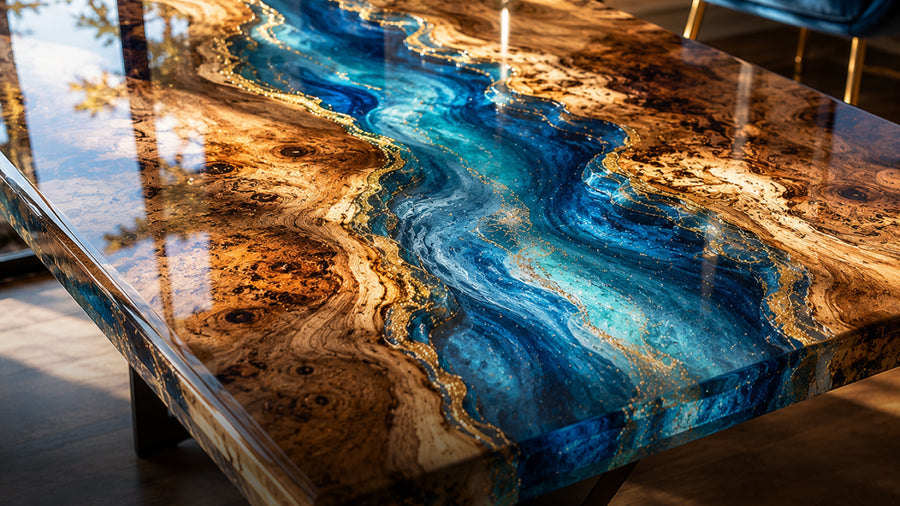
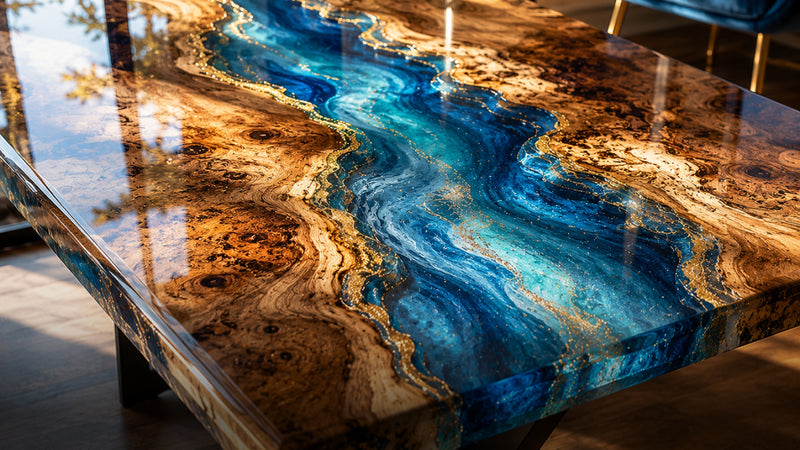
River Tables

River Tables

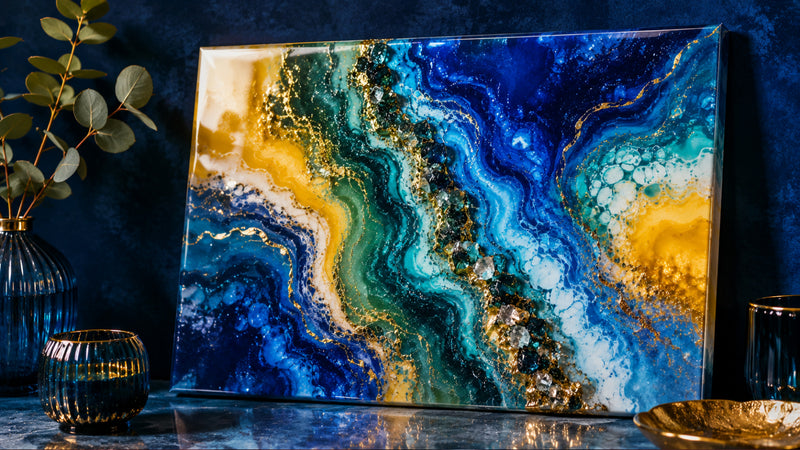
Resin Art

Resin Art

Coasters

Coasters

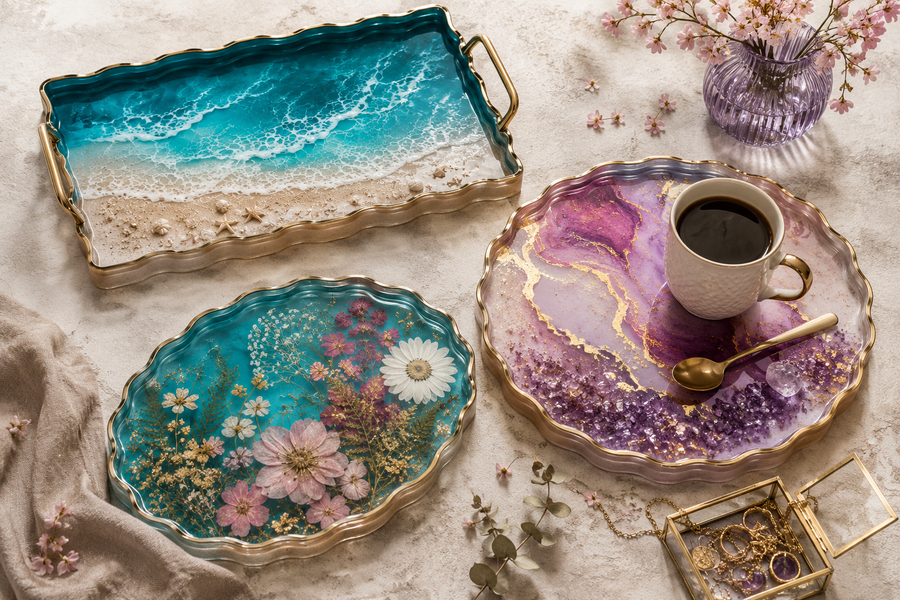
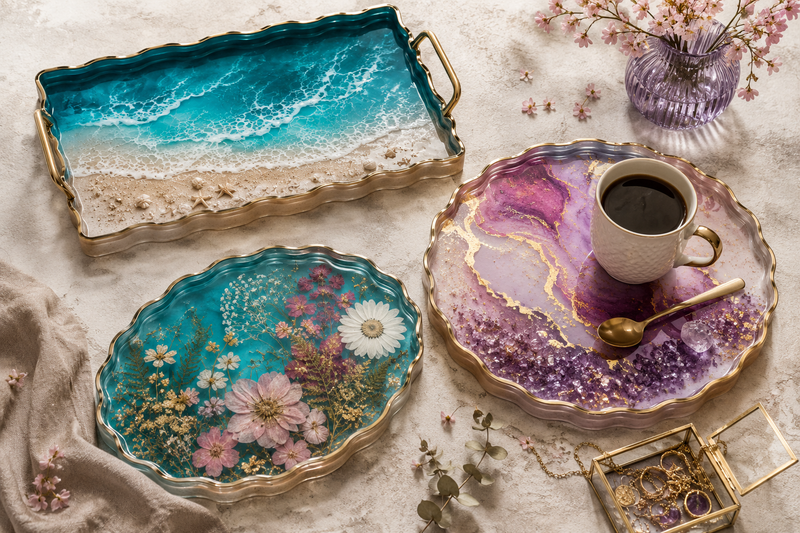
Trays

Trays

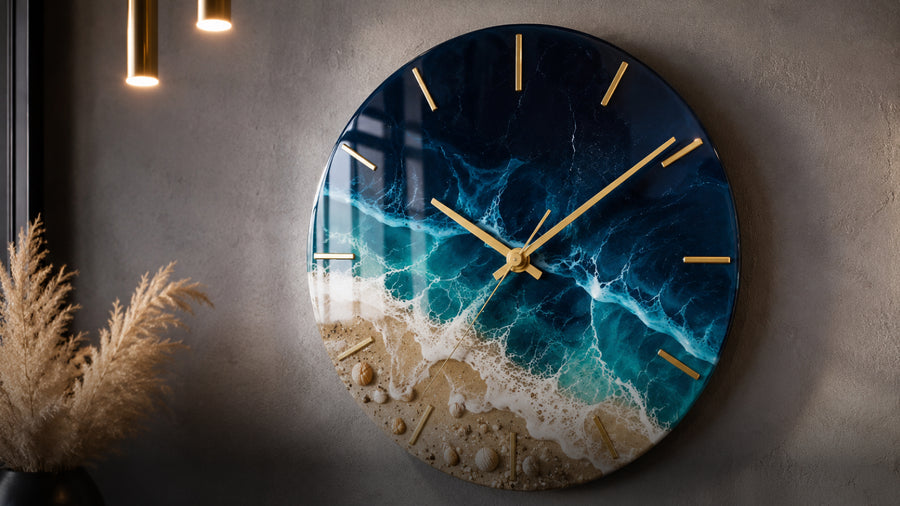
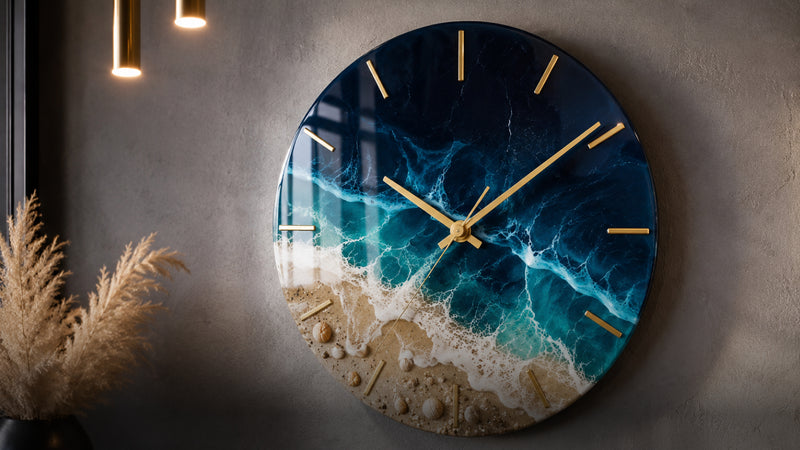
Clocks

Clocks

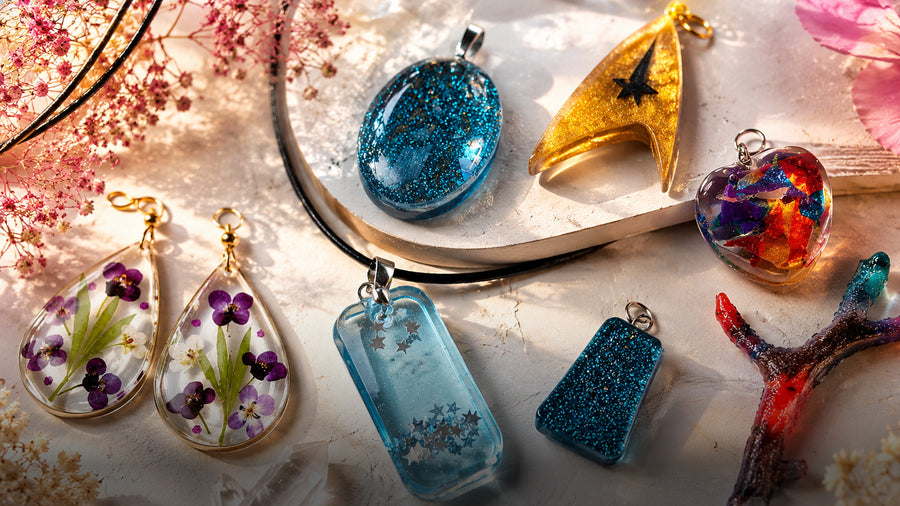
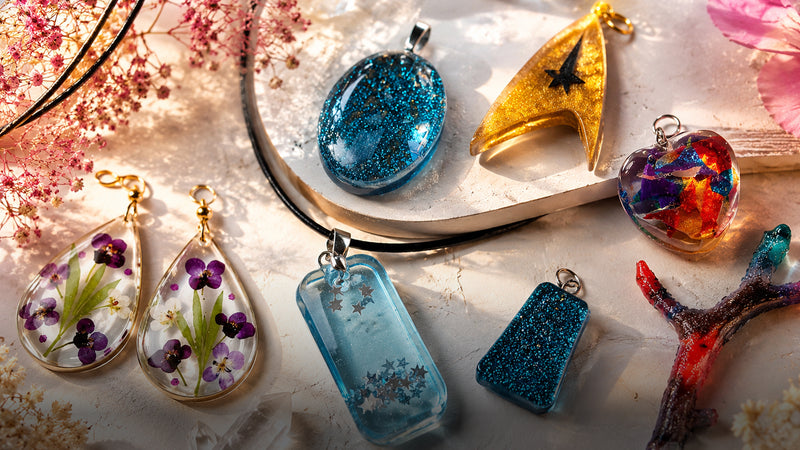
Jewelry

Jewelry

Molds

Molds

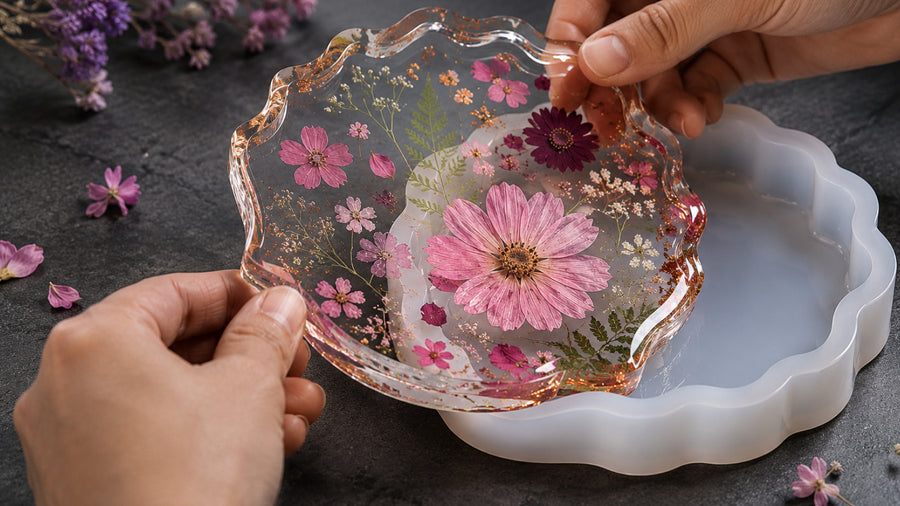
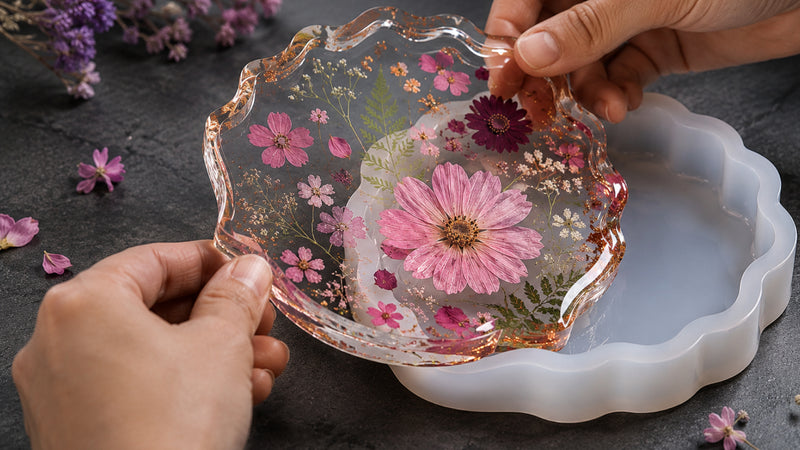
Flower Preservation

Flower Preservation

River Tables

River Tables

Resin Art

Resin Art

Coasters

Coasters

Trays

Trays

Clocks

Clocks

Jewelry

Jewelry

Molds

Molds

Flower Preservation

Flower Preservation

Tips for Better Results

1

Always prepare 5–10% extra resin to compensate for mixing losses and material left in the cup.

2

Measure the internal dimensions of your mold, not the external size.

3

Subtract the volume of wood, flowers, stones, or other embedded objects.

4

For irregular shapes, divide the project into simple rectangles or cylinders and calculate each section separately.

5

For deep pours, check your resin's maximum pour depth and cast in multiple layers if needed.

6

Mix only the amount you can pour within the resin's working time.

7

Warm resin (not hot) flows better and releases bubbles more easily.

8

Keep your workspace level to prevent resin from pooling.

9

Double-check all measurements before mixing — epoxy cannot be reused once combined.

Rectangular vs. round: how the math differs

Rectangular & Square Molds

Tables, trays, coasters, panels

Length × Width × Thickness = Volume

Example: a tabletop 600 mm long, 450 mm wide, with a 3 mm resin coating.

600 × 450 × 3 = 810,000 mm³ ≈ 810 ml

Round Molds

Trays, clocks, coasters, cylinders

π × Radius² × Thickness = Volume

Example: a round tray, 300 mm in diameter, 6 mm deep (radius = 150 mm).

3.14 × 150² × 6 = 423,900 mm³ ≈ 424 ml

Note: the result above is the volume of mixed epoxy — resin and hardener combined after mixing, ready to pour. Convert cubic millimeters to milliliters or liters as needed (1 ml = 1,000 mm³).

Which Artline Epoxy Resin product should I use?

Project Type
Typical Use
Recommended Product
For Resin Art
Clocks, coasters, wall paintings other color mixing techniquies
For Sea Waves / Cells
Ocean-effect art, cell and wave techniques
For Small Projects / Jewelry
Pendants, earrings, small castings
For Flower Preservation
Encapsulating flowers and botanicals fos small up to 2 kg castings
For Flower Preservation
Encapsulating flowers and botanicals fos large more then 2 kg castings
For Mold Castings
Coasters, trays, silicone mold projects
For Top Coating / Doming
Glossy protective top coats and doming
For Table Tops / Furniture
Tables, countertops, deep wood pours
Project Type For Resin Art
Typical Use Clocks, coasters, wall paintings other color mixing techniquies
Recommended Product
Project Type For Sea Waves / Cells
Typical Use Ocean-effect art, cell and wave techniques
Project Type For Small Projects / Jewelry
Typical Use Pendants, earrings, small castings
Recommended Product
Project Type For Flower Preservation
Typical Use Encapsulating flowers and botanicals fos small up to 2 kg castings
Recommended Product
Project Type For Flower Preservation
Typical Use Encapsulating flowers and botanicals fos large more then 2 kg castings
Recommended Product
Project Type For Mold Castings
Typical Use Coasters, trays, silicone mold projects
Recommended Product
Project Type For Top Coating / Doming
Typical Use Glossy protective top coats and doming
Recommended Product
Project Type For Table Tops / Furniture
Typical Use Tables, countertops, deep wood pours
Recommended Product

Still Have Questions? We're Here to Help

FAQ

How much epoxy resin do I need for my project?

The amount of epoxy resin you need depends on your project's dimensions and pour depth. Measure the length, width, and thickness for rectangular projects, or the diameter and depth for round molds. Our epoxy resin calculator estimates the total amount of mixed epoxy you'll need for your project.

Does the epoxy calculator include both resin and hardener?

Yes. The calculator displays the total amount of mixed epoxy resin, including both Part A (resin) and Part B (hardener). Simply follow the mixing ratio specified for your Artline epoxy resin when measuring each component.

Should I add extra epoxy resin for waste?

Yes. We recommend adding approximately 5–15% extra resin to compensate for mixing loss, drips, porous materials, edge coverage, and minor measuring differences. For most projects, a 10% allowance works well.

How much epoxy resin do I need for a tabletop?

Measure the tabletop's length, width, and the desired coating thickness. Most flood coats require only a thin layer, while encapsulation or artistic pours need significantly more resin. For tabletops, countertops, bar tops, and other coating applications, Artline Honey or Artline Extra Honey are excellent choices, depending on the desired viscosity.

Can I calculate epoxy resin for round molds and coasters?

Yes. Simply enter the diameter and pour depth. The calculator works for round molds, coasters, trays, bowls, and other circular resin projects.

Can I use the epoxy calculator for deep pours?

Yes. The calculator can estimate resin volume for deep castings, river tables, large molds, flower preservation, and similar projects. Always follow the maximum recommended pour depth for your chosen epoxy resin.

Which epoxy resin is best for deep pours?

For river tables, deep castings, wood projects, and flower preservation, we recommend Artline Wood PRO Epoxy. It is specially formulated for thicker pours with controlled curing. For thin coatings, resin art, and tabletop projects, choose one of our 2:1 epoxy resins instead.

Should epoxy resin be measured by weight or by volume?

Always follow the mixing method specified for your epoxy resin. Most professional epoxy systems are designed to be measured by weight, as this provides the highest accuracy and ensures proper curing.

What happens if I mix too much epoxy resin?

Large batches of epoxy generate more heat during curing, causing the resin to react faster. This reduces the working time and may lead to overheating or uneven curing. For larger projects, it's best to mix several smaller batches instead of one large batch.

Can I use the same epoxy resin for every project?

Not always. Different projects require different epoxy formulations. Coating tabletops, resin art, deep castings, river tables, wood projects, and flower preservation all require epoxies with different viscosities and curing characteristics. Choosing the right epoxy resin for your specific application will deliver the best results.

How accurate is the epoxy resin calculator?

The calculator provides a reliable estimate based on the measurements you enter. If you're working with porous wood, live edges, uneven surfaces, or projects with significant resin absorption, we recommend adding an extra 5–15% to ensure you have enough material.

How do I choose the right epoxy resin for my project?

The best epoxy resin depends on your application and pour depth. For resin art, coatings, and tabletops, choose a coating epoxy. For river tables, deep molds, flower preservation, and large castings, use a deep pour epoxy such as Artline Wood PRO. Always follow the recommended maximum pour depth and curing instructions for the product you select.